Jul 03, 2026
𝐖𝐡𝐲 𝐈𝐭 𝐈𝐬 𝐃𝐢𝐟𝐟𝐢𝐜𝐮𝐥𝐭 𝐭𝐨 𝐔𝐧𝐝𝐞𝐫𝐬𝐭𝐚𝐧𝐝 𝐭𝐡𝐞 𝐖𝐨𝐫𝐥𝐝 𝐖𝐢𝐭𝐡𝐨𝐮𝐭 𝐚𝐧 𝐀𝐜𝐚𝐝𝐞𝐦𝐢𝐜 𝐅𝐨𝐮𝐧𝐝𝐚𝐭𝐢𝐨𝐧
This is why political discussions so often revolve around personal impressions: prices in stores, news headlines, or the latest statements by public figures. All of these are real observations, yet by themselves they reveal very little about the logic of larger processes. Understanding those processes requires intellectual tools: history, economics, systems thinking, geopolitics, institutional analysis, and an understanding of competing interests.
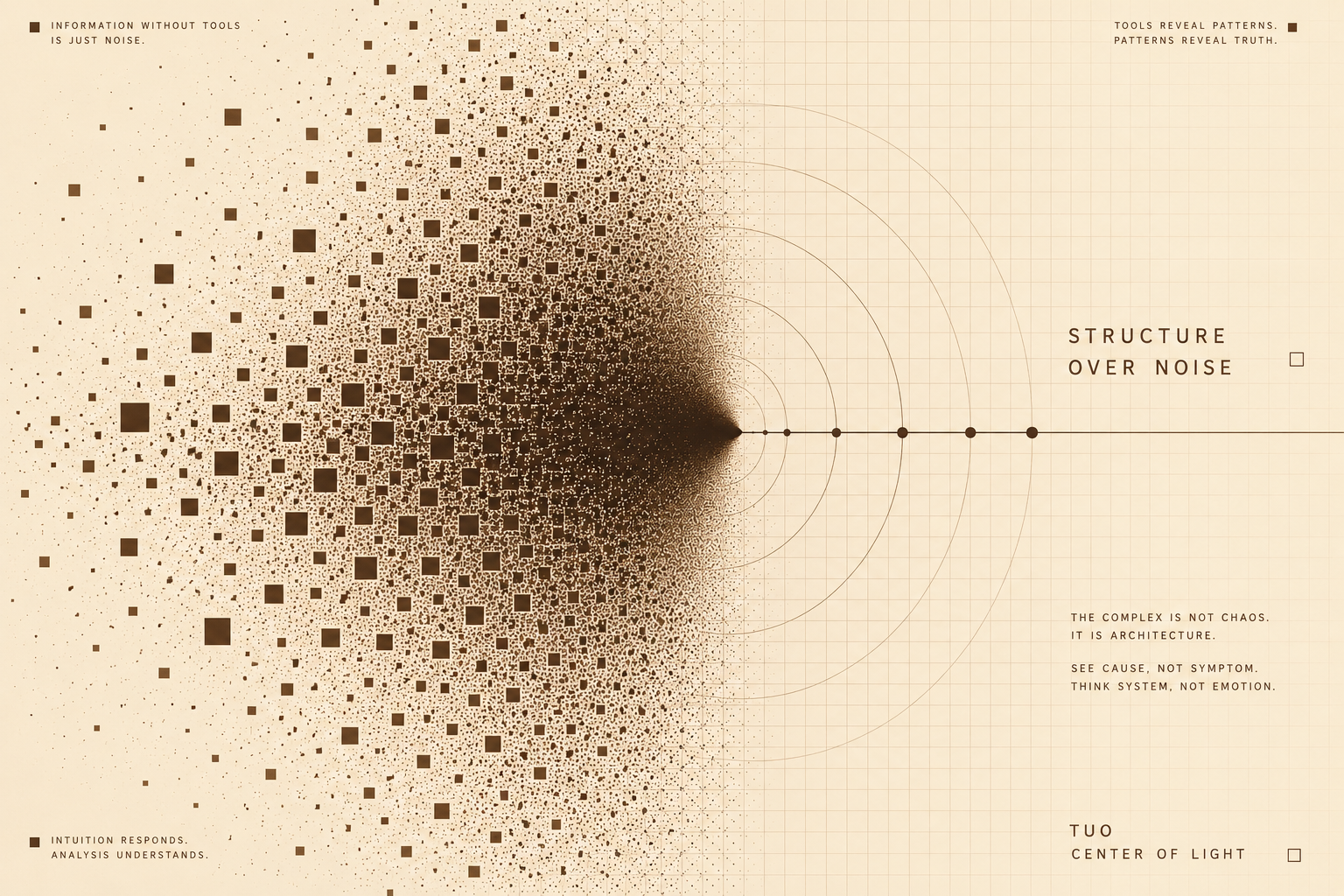
Why It Is Difficult to Understand the World Without an Academic Foundation
Many people believe they can reason about politics, international affairs, and the way the world works. Yet complex systems rarely yield to intuition alone.
An academic foundation is not a diploma or a collection of memorized terms. It is a way of thinking. The ability to recognize structure instead of focusing solely on emotion. To identify causes rather than symptoms. To detect patterns that lie beneath isolated events.
A person without this foundation may be intelligent, observant, and even insightful. But there is a fundamental difference between a fortunate intuition and systematic analysis. Intuition may explain a single case; analysis reveals the mechanism behind it.
This is why political discussions so often revolve around personal impressions: prices in stores, news headlines, or the latest statements by public figures. All of these are real observations, yet by themselves they reveal very little about the logic of larger processes. Understanding those processes requires intellectual tools: history, economics, systems thinking, geopolitics, institutional analysis, and an understanding of competing interests.
Without these tools, people naturally tend to explain complex phenomena through simple emotional narratives. This is how the human mind works—it fills gaps in understanding with the most accessible explanations.
Intellectual preparation, therefore, is not a matter of status but of analytical quality. It does not guarantee correct conclusions, but it greatly expands one's ability to recognize relationships, test hypotheses, and question first impressions.
The conclusion is simple: emotions are available to everyone, but understanding structure requires preparation. The more complex the system, the greater the cost of superficial conclusions. The architecture of the world cannot be understood through intuition alone. It requires intellectual tools.